Dormers age in such a way the remainder of the roof rarely does. Sun strikes their cheeks straight, wind drives rainfall laterally right into their joints, and painters typically stint preparation because organizing a pitch is bothersome. The result, after 15 to 25 years, is predictable: hairline fractures at the sill returns, cupped clapboards, failing caulk at the cheek-to-roof line, and the peaceful creep of rot at the bottom edges. If you are seeing discolor darkness under the eaves, blistered paint on north encounters, or a soft putty really feel at the trim with a screwdriver, the dormers are asking for an appropriate restoration. Metal cladding, when created and fabricated with care, turns that upkeep headache into a durable, good-looking property that ages with grace.
This is the point where several proprietors ask if they should merely replace the dormer skins with PVC or concrete board and paint once again. Both can work, but they secure you right into painting cycles and they never solve the water. Water always wins. Custom-made steel, properly detailed, relocates the fight line to where you manage it, at laps and mechanically secured joints. The aesthetic can be silently conventional or purposely building. The durability repays over decades, not seasons.
What a dormer asks of the climate, and why it fails
Dormers pack a great deal of weak points into a little form. You have the cheek wall surfaces with straight joints, a head blinking under the cheek cap, sidewall shifts where tiles meet house siding, a front wall surface filled with infiltrations for windows or vents, and a cheek-to-roof kickout that asks for capillary action. When woodworkers covered these faces in yearn and repaint, they assumed routine repainting. When that cycle slips, water developments along end grain, rests behind quit moldings, and wicks right into sheathing.
I see three traditional failing patterns. The first is paint failure causing surface area rot on the cheek sheathing, especially where iced-over valleys feed melt into the sidewall. The 2nd is air leaks around the window, with indoor condensation moistening the backside of outside trim in winter months. The 3rd is roof and house siding never ever having actually been correctly intertwined, typically from an earlier reroof that ran roof shingles up the cheek, then attempted to tape and wish for the best.
Metal cladding addresses all three. It creates a rain screen where water that enters has actually a specified exit, it tolerates wind-driven rain without asking paint to be the initial line of defense, and it enables exact control of the laps where roof and home siding meet. The secret is custom-made, not set. Off-the-shelf coil supply set on a brake will certainly never hug a historical crown account or solve a nonstandard sill pitch. A dormer is a sculpture perched on an incline. It deserves its own skin.
Metals that put on well, and where they fit
The deluxe of customized steel is the palette: copper with a slow-moving, sensible patina; lead-coated copper with soft satin luster; prefinished aluminum in steady colors; zinc that ages to a graphite blue; and stainless in coastal zones that consume minimal steels to life. The selection needs to come from climate initially, then architecture.
Copper works virtually anywhere inland. Expect a 70 to 100 year life span on cladding if the details are ventilated and rust factors are valued. Be cautious contact with cedar tannins and overflow from galvanized parts, which can stain. On Georgian and Roof shingles Style homes, copper is a natural partner. Zinc chooses milder environments, does best with ventilated settings up, and benefits perseverance with a calmness, even aging in 5 to eight years. Prefinished light weight aluminum is affordable and shade constant, suitable for painted-trim homes where you want the dormers to vanish rather than sing. Utilize a heavy-gauge item with a Kynar or comparable coating, and prevent raw mill light weight aluminum where salt spray is a variable. Stainless-steel, particularly 316 in seaside settings, brings copper finials bulletproof efficiency and a crisp modern line, but it reviews modern unless you soften it with grain profiles and a cleaned finish.
Thickness matters. On cheeks and fascia covers, 16 to 20 ounce copper has the weight to lie flat without oil canning. Light weight aluminum in 0.032 to 0.040 inches acts well on flats. Zinc likes an aerated back and a little play, so do not ask it to connect huge periods of air. When the work calls for crisp planes and no waves, we frequently back the steel with acrylic-coated plywood or set up a slip sheet over a smooth, dedicated substrate.
The makeup of a proper metal-clad dormer
Think from structure external. We begin by opening the faces and taking moisture analyses. If the dormer framing is even a little endangered, sister studs and brand-new sheathing are affordable insurance coverage. We replace OSB with exterior-grade plywood, and we plan for a vented tooth cavity if the layout or environment ask for it. Over the sheathing, we run a premium, vapor-permeable WRB up and over every edge. For copper or zinc, we such as a breathable separation floor covering over the WRB to avoid trapped condensate and to let the metal step. Aluminum is much more flexible, however the floor covering still helps.
Every outside edge, sill return, and cheek-to-roof crossway obtains mapped with measurements and photos. We field-template with heavy paper or electronic scan, after that equate those patterns right into store drawings that call out seams, concealed cleats, and hemmed sides. Pieces obtain designed to shed water by gravity, not simply sealant. Where 2 aircrafts satisfy, we choose standing seams or lock seams, established away from water flow lines.
The sill is the most straightforward examination of the craft. A proper metal-clad sill has a downslope that continues the visual line of the initial millwork, a back upstand that puts behind the home window feces or cut for positive drain, and end dams that are soldered or riveted and secured so water can build and leave, not slip sidewards into timber. We stay clear of caulk as key defense. Caulk is authorization for water to keep trying.
Sidewalls where the roof covering meets the cheek get stepped flashing that intertwines with the roof shingles, not a surface-mounted Z strip and a line of goo. If your home has snow loading, we raise the kick at the base of the cheek or add a diverter that looks like it belongs. In hill towns where ice dams are a fact of life, Customized Snow Guards on the roofing aircraft above a dormer can separate slides that would otherwise shear gutters or dent cladding. A dormer is a target when two pitches feed towards it. Snow administration transforms violent events right into convenient dribbles.
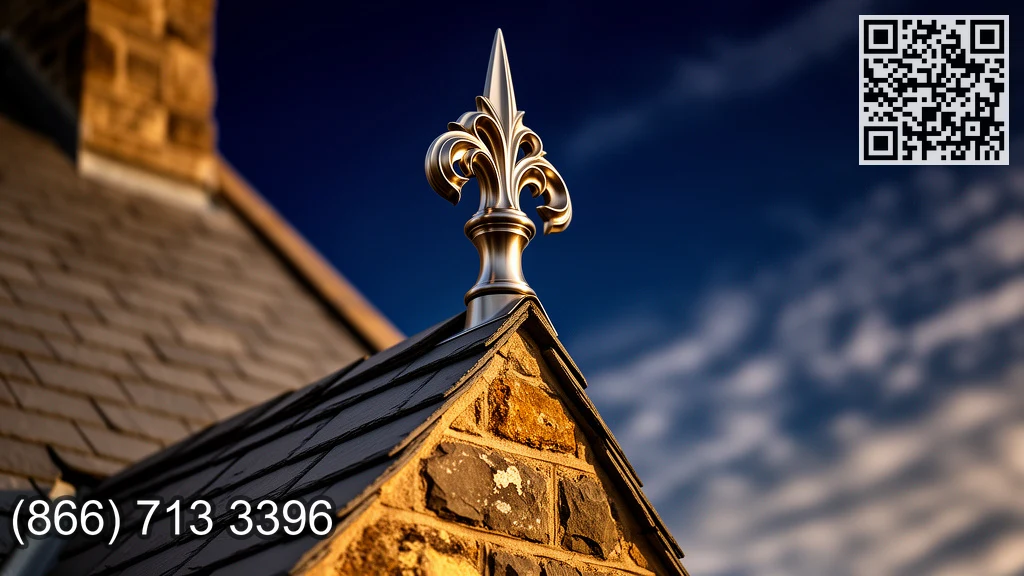
Above the front wall surface, the head casing or pediment ends up being a possibility. Several dormers pick up much more character with a modest copper cap flashing that creates a slim shadow line. On slate or cedar roofings, those lines can echo ridge details and connect into various other custom-made aspects like Custom-made Finials or ridge cresting. Not every residence wants that fashion jewelry, but when it does, the conversation regarding the dormers enters into a bigger composition.
Casework: where the design gains its keep
A center-hall Colonial in Fairfield Region used a tidy example. The proprietor had actually painted the dormers 3 times in fifteen years. The north cheeks under two maples never ever dried, and we might press a putty blade a quarter inch right into the sills. We stripped the faces, sistered two studs, and mounted new 1/2 inch plywood sheathing. The window devices were audio, so we left them in position and covered to them. Copper at 20 ounce gave us enough body to drift the cheek panels cleanly. We hemmed every free side, pinned them with concealed stainless brads into blocking, and soldered the sill dams. At the roof covering junctions, we stepped 6 inch by 8 inch copper flashings and tied them to the existing cedar. 2 tiny Customized Roof covering Vents on the lee side of the main roof eased the attic room pressure, which had been driving interior dampness into the dormer cavities in winter. The proprietor hasn't touched a paint brush on those dormers in 6 seasons. The copper has actually gone from intense to a gentle penny brownish. The north faces are also, without algae spotting, due to the fact that there is no permeable paint film to feed on.
On a lake residence in the Adirondacks, zinc was the visual phone call. The engineer requested for a soft modern-day analysis that would sit well with stone and dark-stained wood. We laid a ventilated rainscreen behind the zinc to allow it breathe. Because the site gets laterally weather condition, we developed taller rear upstands at every sill, something you never ever see but feel when a tornado attempts to blow rainfall into the joints. We backed the wide front cheeks with flat composite panels so the zinc would not oil can as the sun hit. The aging cleared up in over 2 winters months, and currently the dormers read as monolithic forms, quietly matching the skies on cloudy days. They no longer tackle water, and the maintenance is to a yearly rinse.
Integration with the remainder of the roofscape
When you buy personalized dormer cladding, you open a door to practical upgrades somewhere else. Water monitoring is a system, not a series of spots. I commonly advise a peace of mind check of the smokeshaft counterflashing and a consider the ridge airing vent in the very same mobilization. If your roof features Customized Smokeshaft Shrouds or a decorative cricket, see to it the dormer information echo the seam language so the metal job feels of an item, not an afterthought. On bigger estates, we couple dormer restoration with Personalized Cupolas, Personalized Leader Boxes, and coordinated downspout boots. The power structure matters. A cupola that sings also noisally will make a dormer really feel shy. A leader head that is under-scaled will certainly look mean next to a charitable dormer face. Scale, percentage, and repeating calm the eye.
Ventilation is one more place where dormers and roofing vents fulfill. Old residences often depend on leaking assemblies to breathe. When you tighten the envelope with steel and modern-day tapes, you owe the structure managed air flow. Discreet Customized Roofing Vents in a coating that matches your cladding can do that unnoticeable job without telegraming themselves. If you see frost on the nails in the attic in January, construct air flow into your dormer range. Warm interior air, entraped by a limited vapor obstacle and a cool roof covering deck, will condense, after that locate the initial weak area, generally at a dormer corner.
Snow retention belongs in the exact same discussion. Steel cladding stands well to sliding, however the eaves and rain gutters do not. Appropriately crafted Personalized Snow Guards, positioned in a pattern adjusted to roof pitch and snow lots, can maintain six inches of wet snow from becoming one uncontrolled sheet. On metal roofing systems we install them with clamp-on systems that protect the panels, and on tile roofing systems we make use of braces linked to the deck. They can complete in the exact same steel as the dormers so they go away into the composition.
Authenticity and information on historic homes
Historic districts and conservation boards care deeply about keeping the initial reading of a façade. Steel can help as opposed to injury, if you utilize it to record the accounts and darkness that defined the woodwork. We have actually matched ogee crowns and bed molds in copper that, when patinated, hold the specific same darkness lines as the initial trim, without the ever-expanding crawler internet of paint checks. For homes with delicate very early sills, you can drift a metal cap over the original, gently bedded in sealer and mechanically attached, to protect the artifact while stopping water. In contexts where brilliant metal would be a mark, lead-coated copper provides you a neutral grey from the first day. If a board wants reversibility, we design with cleats and marginal infiltrations so the assembly could, in theory, be gotten rid of later.
There is a lure to strip whatever and make it all brand-new. Withstand it where feasible. Maintain audio windows, preserve undamaged housing that is secured by overhangs, and make use of steel to protect the susceptible faces and horizontals. That restraint checks out as stewardship.
The procedure that makes custom job look inevitable
Clients frequently ask how much time a dormer repair takes and what the disruption resembles. For a typical three-dormer work on a two-story home, you can anticipate a week to phase and preparation, a week to open up and fix framework, and one to two weeks of metal work relying on complexity and climate. If we are matching aging to existing copper, we in some cases pre-treat in the store so the new pieces do not scream. We work with full-size design templates so when we touch the building we already recognize where joints and joints land. On busy homes, we set up window downtime in narrow bands so you are not living behind poly much longer than you need to.
The field-to-shop handshake is where personalized shines. An experienced producer can review a dormer's traits and equate them into hem problems, cleat lengths, and allowance for thermal motion. Those tiny decisions keep joints from protruding on the initial hot day. A great store, whether it is our very own or a trusted partner like Salvo Metal Works, will provide consistent brakes, real seams, and solder that looks tidy on the underside you will certainly never ever see. The difference between serviceable and phenomenal is often a sixteenth of an inch on a hem and the self-control to fold it anyway.
Cost, worth, and the mathematics of longevity
Metal cladding is not low-cost. For a little doghouse dormer with 2 cheeks and a front face, totally custom-made in copper, the array might rest in between $4,500 and $8,000 per unit depending on access, substratum fixings, and account complexity. Light weight aluminum in a premium finish might land 25 to 40 percent lower. Zinc is usually comparable to or somewhat greater than copper when effectively aerated, stainless a lot more once more. What issues is not the first check, it is the checks you do not write later on. If you eliminate repainting every 5 to seven years, at $800 to $1,500 per dormer per cycle, and you quit the covert rot that ends up being a home window substitute, the payback perspective presses. A lot more quietly, the structure ages more magnificently. Patinated copper and zinc make time an ally, not an enemy.
From a resale standpoint, customers discover roofing systems in problem. Fresh repainted timber over suspicious blinking looks great for one period. Heavy-gauge steel with well-designed laps and crisp edges reads as financial investment. For the homes where top quality issues, that is the sort of signal you wish to send.
Pitfalls to prevent, also on high-end projects
Metal forgives less than wood. Miss the aircraft by an eighth, and the cheek panel will telegraph it. If you skip a slip sheet and fasten copper straight to resin-rich cedar, anticipate eco-friendly touches. If you trap metal under a membrane that does not breathe, you will certainly hear it pop. Firm joints should value development, and you ought to design mechanical laps where long terms intend to relocate. On prefinished light weight aluminum, watch out for job-site scratches. Touch-up paint conceals color, not luster, and deluxe is all about how light arrive on a surface.
Aesthetic mistakes occur also. Making use of a supply 3 inch hem at a fragile covering can make the setting up feel heavy and suggest. Overusing beads can turn classic into costume. Let the house tell you what it wants. A Federal with fine lines requests silent seams and marginal embellishment. A French Normandy resurgence can carry crisper ribs, a showpiece weathervane, also Custom-made Cupolas that resemble the tower. If you add Custom-made Finials, established them in discussion with the ridge and the chimneys so they check out as a family. Proportion is the best designer in the room.
Maintenance that feels like cheating
Owners frequently ask what they will certainly need to do after we leave. The brief solution is: really little bit. Rinse crud where tree sap or plant pollen collects. Maintain gutters clear so water does not back up at cheek junctions. Every couple of years, run a soft brush and light soap over aluminum finishes to protect the factory luster. Rain gutters that feed into Custom Leader Boxes are worthy of a search in fall. Copper and zinc want to be left alone. Do not power clean. Do not gloss. Allow the steel talk its age. If a sealer joint at a concealed back leg reveals a hint of dryness in a years, we likely created the assembly so that it is additional, not key security. Still, upkeep is a conversation, not an afterthought. We offer customers a simple map of joints and concealed laps so they understand where to look.
Where custom steel meets craft
The highlight of this job is standing back when the hosting comes down. A dormer that utilized to look exhausted currently looks deliberate, crisp yet appropriate. The lines lug up until they satisfy the sky. On some jobs that is all the tale that needs informing. On others, the dormers are just one carolers in a roofscape that consists of Customized Smokeshaft Shrouds that tame a downdraft, Customized Roofing system Vents that keep a slate deck chilly and completely dry, and a tempo of snow retention that conserves the balcony listed below. When the components speak to each various other, the house really feels composed.
If the job is done by people who live with metal on a daily basis, your alternatives multiply rather than narrow. Accounts can be tuned. Patinas can be coaxed. A little hem can transform a sharp line right into a gentleman's side. The art is knowing where to invest that finesse. On a street-facing frontage, the front dormer's sill earns more attention than the back cheek that just the birds see. On a coastal home, stainless screws and isolation gaskets are not overkill, they are insurance. Judgment is the deluxe you actually buy.
A short proprietor's checklist before you start
- Identify signs and symptoms: peeling off paint focused at lower corners, water discolorations on the indoor ceiling below dormers, soft wood at sill returns, or moss monitoring along cheek-to-roof joints. Set goals: low maintenance for 20 plus years, genuine profiles, or a contemporary monolithic read. Ranking them so style options are very easy later. Choose metal by environment and design: copper inland, lead-coated copper in historic areas, zinc for soft contemporary, heavy-gauge aluminum for color match, 316 stainless at the coast. Plan system-wide: validate roofing ventilation, snow retention, and seamless gutter ability at the same time. A dormer is not an island. Demand store illustrations and field themes: personalized means gauged, not thought. Approve joint locations and account examples before fabrication.
Why it feels various when it is done right
When you run your hand along a dormer that has actually been brought back with personalized cladding, you really feel lack. No proud nail heads telegraph through paint, no gummy caulk waves the line where the cheek meets the roof, no fluctuating board cupped against dew. You see simpleness. Water has a clear course, joints are where an experienced eye expects them, and the product is allowed to be sincere. That calmness is the genuine deluxe. It is not louder. It is much more certain.
Custom Dormers constructed this way do greater than endure weather condition. They hold a point of view. Whether you crown the composition with a pair of Custom Cupolas, finish the chimneys with Personalized Smokeshaft Shrouds, or clothe the eaves with well-scaled Custom-made Leader Boxes, the dormers can be the area where the house's language is most verbalize. Find a producer and installer that talk that language daily. If you care about the information, your home will thank you not with a line on a spreadsheet, yet with a face that looks much better each season it stands in the sun.